

The Returning Artists Guild Story
How the Returning Artists Guild grew from a peer-led prison art practice into a creative community rooted in collective care.

Meeting Inside
The Returning Artist Guild (RAG) began through creative collaboration inside Dayton Correctional Institution (DCI), where Aimee Wissman and Kamisha Thomas met while incarcerated. Together, they developed and participated in creative and educational projects, including an art therapy program and Pens2Pictures, while imagining what it could look like to continue that work beyond prison walls.
From Individual Practice to Collective Work
After release, they stayed connected and began organizing self-funded pop-up exhibitions featuring work by currently and formerly incarcerated creatives. The work was grassroots, peer-led, and built through relationships, trust, and shared experience.
As both artists became part of larger national conversations around art and incarceration, they began questioning the difference between building individual platforms and building collective infrastructure. Aimee’s work was featured in Marking Time, the landmark exhibition curated by Nicole Fleetwood, while Kamisha received the Right of Return Fellowship to create films exploring the lasting impact of incarceration and felony conviction on individuals and communities.
Through these experiences, they came to believe that community-building and collective support could create deeper, longer-lasting change than individual recognition alone.
The Birth of The RAG
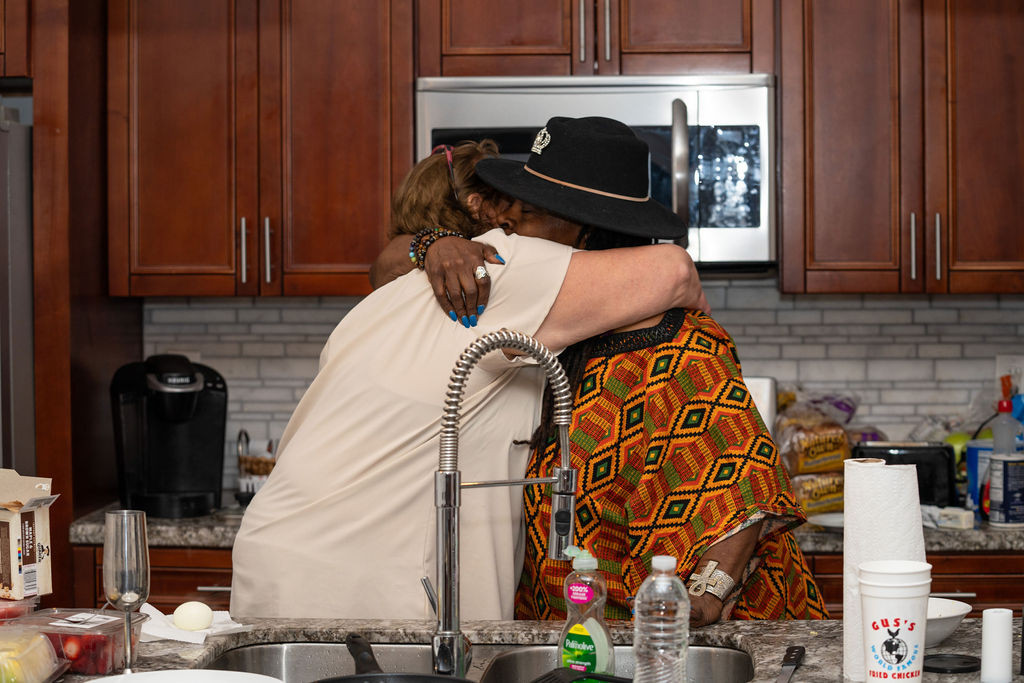
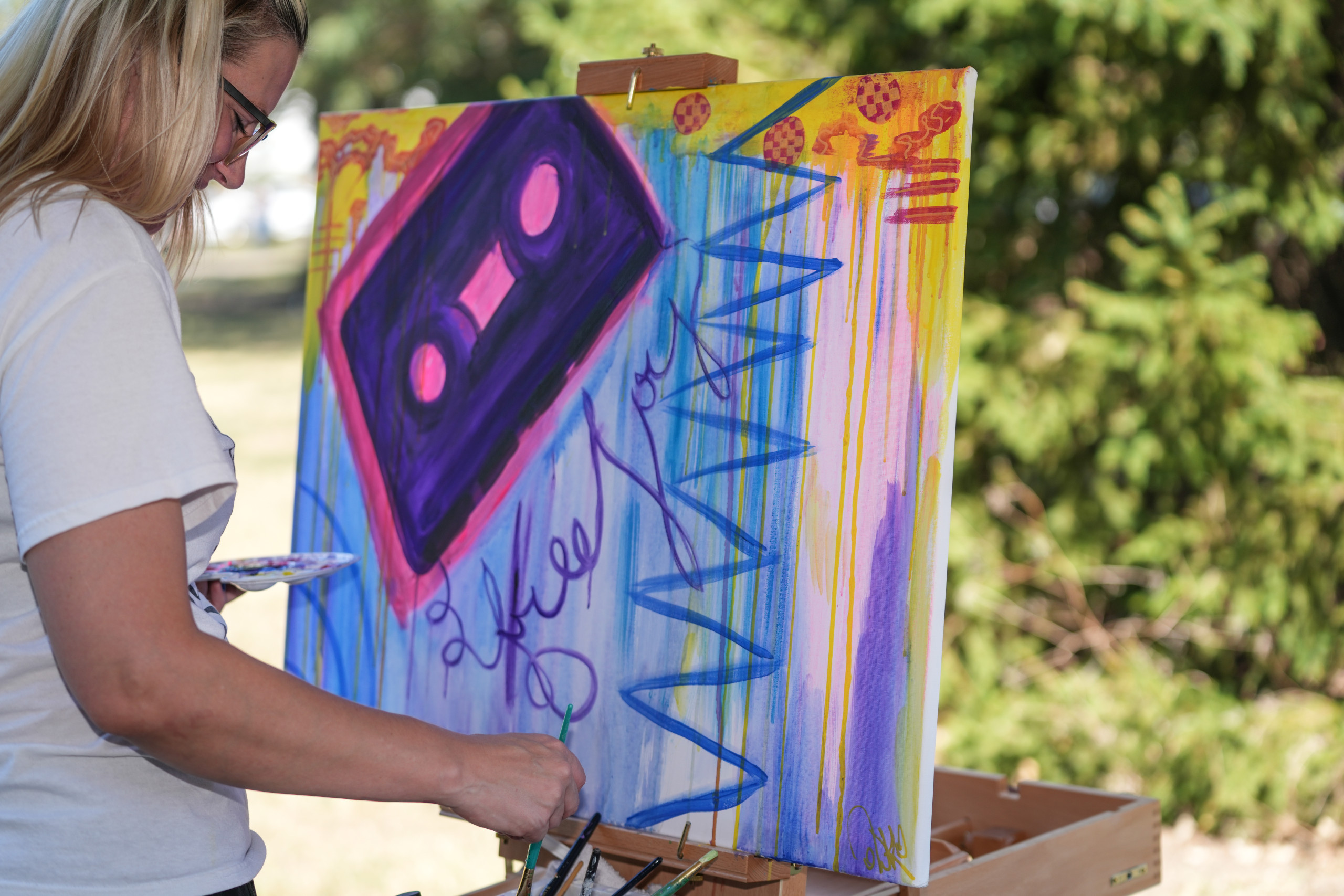
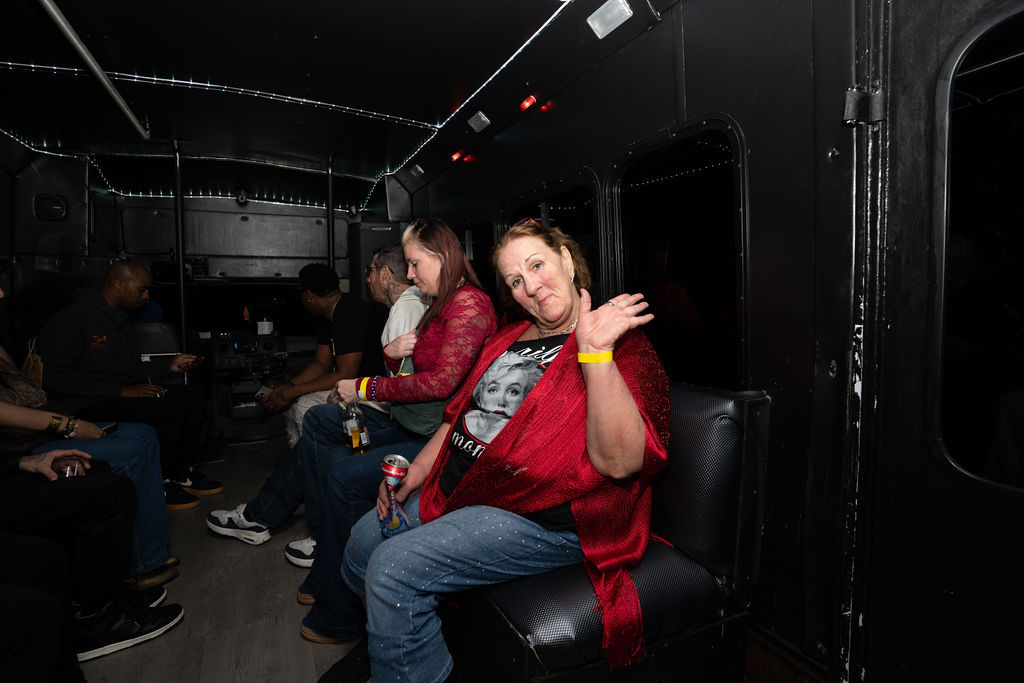
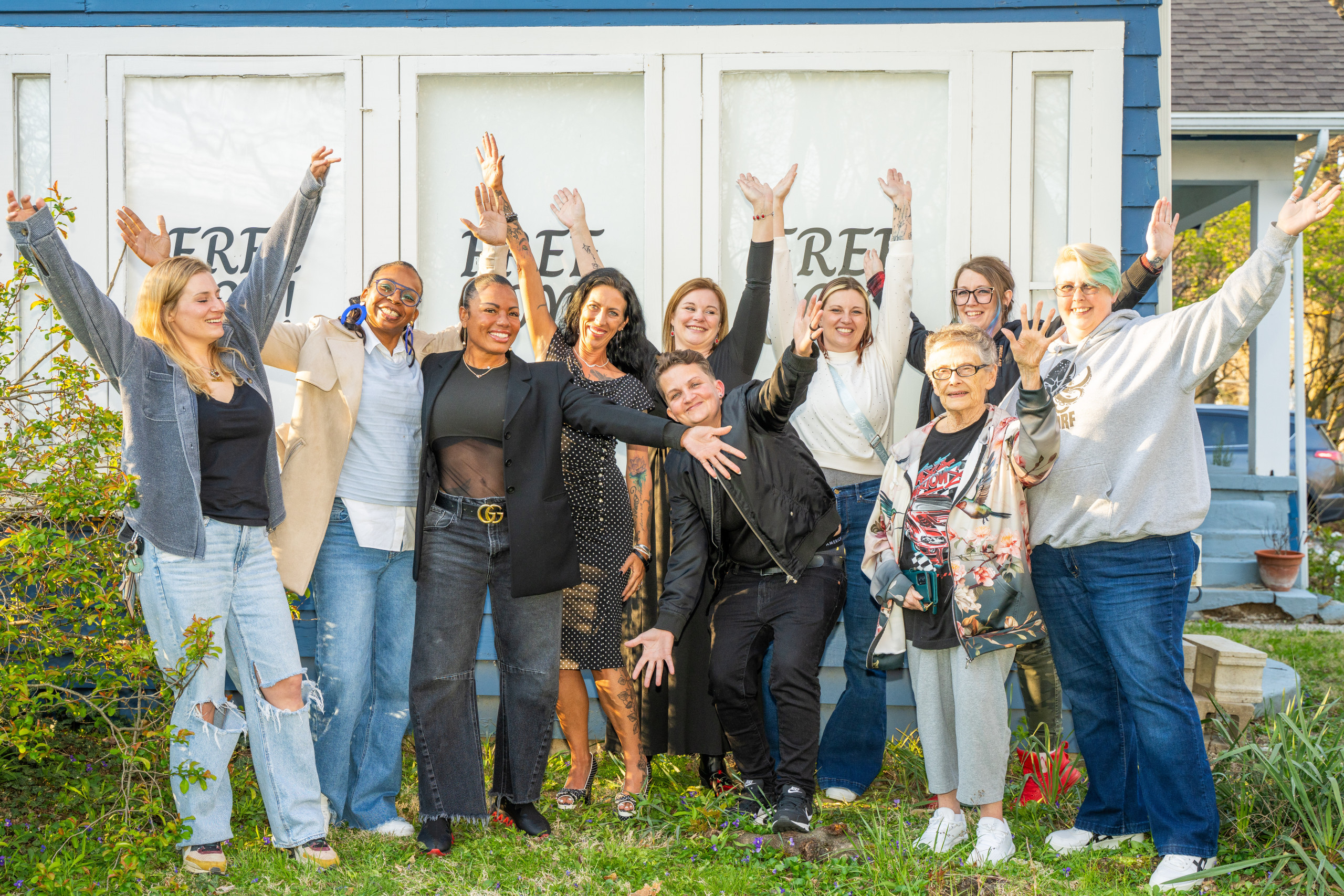
Starting in 2019, The RAG grew organically through personal relationships and word of mouth, picking up where the in-prison art therapy practice had left off. From the beginning, it was self-directed, peer-led, and rooted in the idea of a guild: a community where people meet needs together, with each other.
Funders and collaborators were drawn to the work because it was genuinely different: creative practice driven, grounded in abolitionist principles, and intentionally connecting artists inside and outside prison walls. Exhibitions grew in scale and visibility. Membership expanded across disciplines, backgrounds, and experiences.
A Community of Care
Today, The RAG continues to operate as a community of care shaped by incarcerated and formerly incarcerated creatives themselves. The organization remains committed to independence, mutual support, and creative freedom outside the control of the carceral state.